
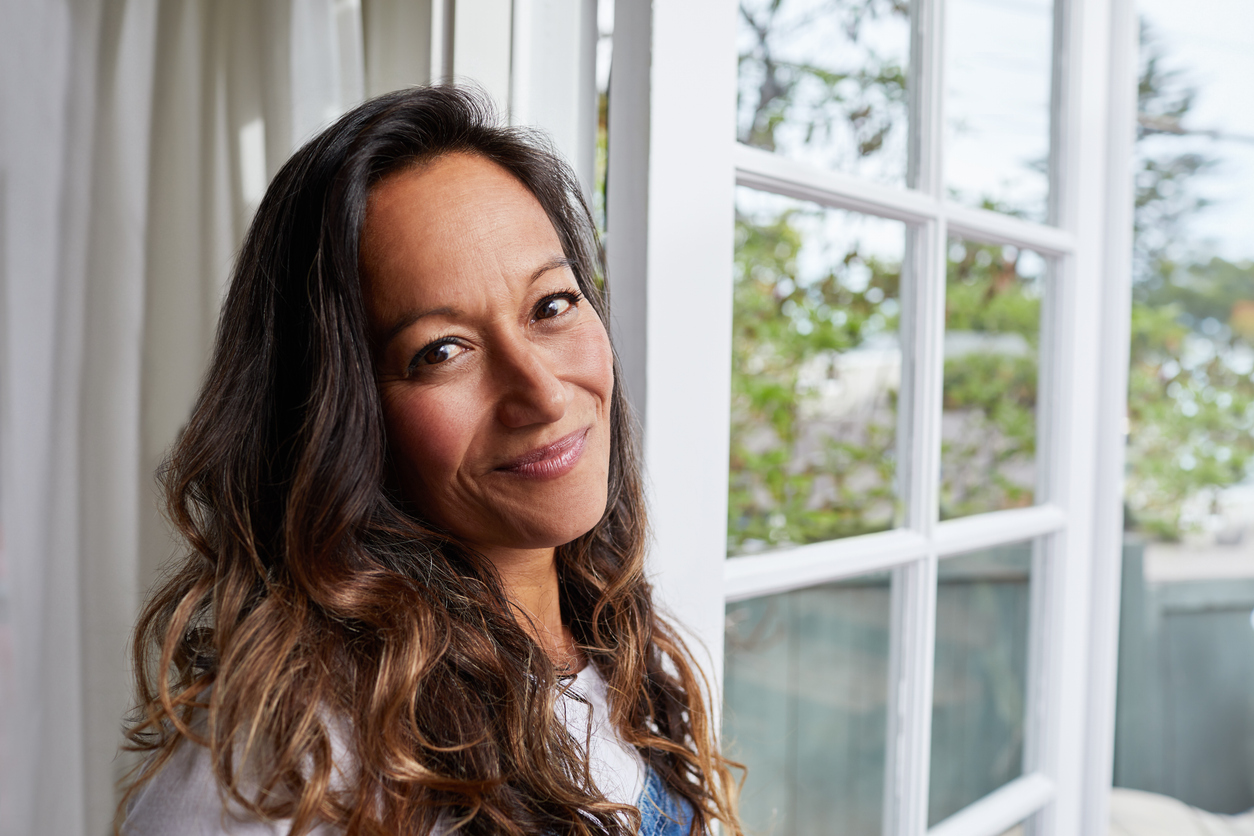
Patients often ask whether there’s an ideal age for a facelift. The short answer is no — there’s no single “best” age. But there are meaningful differences in how facial aging presents at different stages and how the surgical approach is tailored accordingly.
In Your 50s: Prevention Meets Correction
Many patients in their 50s are noticing the early-to-moderate signs of facial aging: softening of the jawline, early jowl formation, some loss of cheek volume, and the beginning of neck laxity. The overall structure is still reasonably intact, but the trajectory is clear.
A facelift at this stage is both corrective and preventive. The correction addresses what has already changed. The prevention comes from the fact that the repositioned structures will age from an improved starting point going forward. A patient who has a comprehensive facelift at 52 may not need any further intervention until their late 60s or beyond.
For patients in their 50s, The Ascend Lift™’s fat grafting component is particularly valuable because the volume loss, while present, hasn’t progressed as far. Less grafted fat is needed, and the result can be very subtle — friends notice you look refreshed but can’t identify why.
In Your 60s: Structural Restoration
By the 60s, facial aging has typically progressed to the point where the changes are unmistakable. Jowls are prominent. The neck may have significant laxity or banding. The midface has descended noticeably. Volume loss in the temples and cheeks is often significant.
This is actually the most common age range for facelift patients, and for good reason. The changes are significant enough that the improvement is dramatic, but the patient’s overall health is typically excellent for surgery. The tissue still has good quality for healing, and the structural changes respond very well to deep plane repositioning.
Patients in their 60s often see the most transformative results because there’s more to correct. The “before and after” difference is striking.
In Your 70s: Absolutely Still Candidates
One of the most persistent myths in facial surgery is that you can be “too old” for a facelift. In reality, many patients in their 70s are excellent surgical candidates. The determining factors are overall health, skin quality, and bone structure — not a number on a calendar.
The approach at this age may be adjusted. Tissue is typically thinner and less elastic, so the surgeon must work with more finesse. Recovery may take slightly longer. But the results can be just as natural and just as meaningful as at any other age.
Patients in their 70s who have never had a facelift often have the most to gain. They’ve been watching their face change for 20 years and have finally decided to act. The improvement in how they feel about their appearance — and the confidence that comes with it — can be profound.
When Is the Right Time?
The right time for a facelift is when the changes bother you enough to do something about them and you’re in good health for surgery. That’s it. There’s no magic number.
If you’re 48 and already seeing significant jowling, earlier is better than waiting. If you’re 72 and in excellent health, it’s not too late. The consultation exists precisely to evaluate your individual anatomy and determine the best approach for your specific situation.
Take the Next Step
If you’re considering facial rejuvenation and want to understand whether The Ascend Lift™ is right for your anatomy and goals, schedule a private consultation with Dr. Ching. There’s no commitment and no pressure — just an honest conversation about what’s possible for your face.
➤ Schedule your Ascend Lift™ consultation or call (808) 207-7345.