Gender-Affirming Chest Surgery – Pre- and Post-Operative Instructions
Please Read First
The information on this page provides a concise overview of key preparation and recovery guidelines for gender-affirming chest surgery. For complete details—including specific timelines, medication instructions, and aftercare steps—please download the full Pre-Operative and Post-Operative Instruction document below. This will serve as your primary reference for a safe and confident recovery.
We recognize the personal significance of this procedure and are dedicated to providing compassionate, individualized care every step of the way.
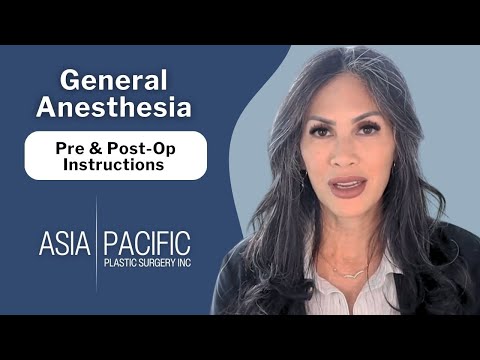
General Anesthesia Pre-Op & Post-Op Instructions Video
What to Expect
Gender-affirming chest surgery (commonly called “top surgery”) is performed to create a masculine or flat chest contour as part of gender-affirming care. Depending on your surgical plan, it may involve tissue removal, contouring, and nipple grafts.
This procedure is performed under general anesthesia, ensuring you are completely asleep and comfortable throughout surgery.
- You can expect mild chest tightness, swelling, and bruising for the first few weeks.
- Temporary changes in nipple or chest sensation are normal and may improve gradually over several months.
- Most patients are able to return to light activities within 2–3 weeks, with full recovery progressing over 6–8 weeks.
Key Pre-Operative Guidelines (Summary)
Fasting:
- Nothing to eat or drink—including water, mints, or gum—for 8 hours before surgery.
Transportation:
- Arrange for a responsible adult to drive you home and stay with you for 1–2 days after surgery. Rideshares (Uber, Lyft, taxis) are not permitted.
- If a caregiver is not arranged, surgery may need to be rescheduled for your safety.
Medications:
- Stop aspirin, NSAIDs, herbal supplements, and weight-loss medications as directed.
- Discuss blood-pressure, diabetes, and psychiatric medications with your surgeon to confirm which to continue.
- Avoid nicotine for 4 weeks before and after surgery.
- Reduce or avoid alcohol for at least 2 weeks before and after surgery.
- Avoid ADD/ADHD medications the day before surgery and consult your surgeon if taking Contrave, Ozempic, Wegovy, or similar medications.
Day of Surgery:
- Shower with soap; avoid applying lotions, deodorant, or perfume afterward.
- Remove all jewelry and piercings.
- Do not shave the surgical area within 3 days of surgery.
- Wear loose, front-opening clothing (such as a button-up or zip-front top).
Suggested Supplies:
- Tylenol (acetaminophen)
- Laxative and stool softener (for use with narcotic medication)
- Arnica Montana (Sinnech) regimen for swelling
- Comfortable, front-closing surgical garment (you will receive one after surgery)
Key Post-Operative Guidelines (Summary)
Pain & Nausea:
- Take Tylenol for mild pain; avoid NSAIDs unless approved.
- Use prescribed narcotic medication as directed and pair with a laxative and stool softener to prevent constipation.
- Zofran (Ondansetron) may be prescribed for nausea.
- Complete your full course of antibiotics to prevent infection.
Activity & Mobility:
- Begin gentle walking soon after surgery to promote circulation and prevent blood clots (DVT).
- Avoid lifting more than 5 lbs or raising your arms above shoulder height for the first 1–2 weeks.
- Light activities can usually resume at 2–3 weeks; avoid strenuous exercise and chest workouts for 4–6 weeks or until cleared by your surgeon.
Sleep:
- Sleep on your back with your head and shoulders elevated at 30–40 degrees (2–3 pillows). Avoid sleeping on your side or stomach until cleared by your surgeon.
Compression Garment:
You will be provided with a supportive chest garment after surgery
- Wear it continuously (except for brief daily breaks) for 4–6 weeks.
- Ensure it is snug but not overly tight.
- Consider purchasing a second garment for alternating between washes.
Incision & Nipple Care:
- Your incisions are sealed with medical glue or tape that will naturally detach as healing progresses.
- Stitches are dissolvable and do not require removal.
- Keep the area clean and dry; you may shower 24–48 hours after surgery unless otherwise instructed.
- Avoid applying lotions or creams to incisions until cleared.
- If you have nipple grafts, avoid direct pressure and keep dressings dry and intact until changed by your surgeon.
What to Expect:
- Swelling and bruising peak within the first week and gradually subside over 4–6 weeks.
- Temporary tightness or heaviness across the chest is normal and improves with time.
- Sensation changes or numbness are common and may take months to stabilize.
- Emotional ups and downs are normal during recovery—healing from gender-affirming surgery is both physical and emotional. Support is available if needed.
Follow-Up and Support
Urgent Concerns: Contact our office if you experience significant redness, warmth, drainage, fever over 101°F, or pain not relieved by medication.
Emergency Situations: For difficulty breathing, chest pain, or calf pain, call 911 or go to the nearest emergency room.
Ongoing Communication:
- Non-urgent: [email protected]
- Urgent (9 am–5 pm): (808) 585-8855
- After hours: Physician Exchange (808) 524-2575
Appointments: Attend all scheduled follow-up appointments to ensure proper healing and address any concerns promptly.